
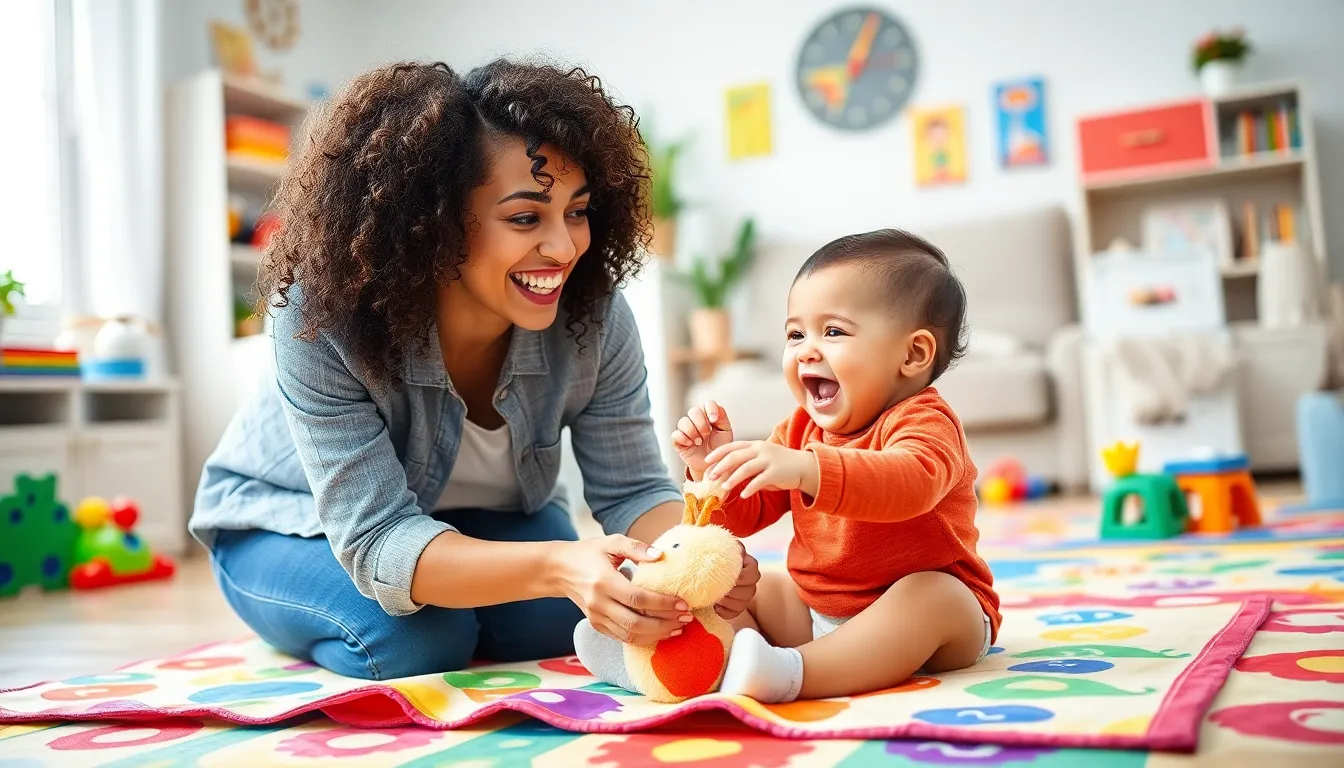
Watching a baby grow is like witnessing a tiny superhero in training. From their first giggle to those wobbly first steps, each milestone is a victory worth celebrating. Parents and caregivers often find themselves on a rollercoaster of emotions, cheering on these small yet monumental achievements. It’s a wild ride filled with joy, laughter, and a few messy moments—because let’s be honest, who doesn’t love a little baby food splattered on the wall?
Understanding Baby Milestones
Tracking baby milestones offers insights into a child’s growth and development. Milestones indicate specific skills or behaviors exhibited at various ages and stages.
What Are Baby Milestones?
Baby milestones represent key developmental achievements. Common milestones include sitting up, crawling, and saying first words. Parents often observe these benchmarks as their child progresses from infancy to toddlerhood. Each milestone signifies a specific area of growth, whether it’s physical, social, or cognitive. Recognizing these milestones helps caregivers understand their child’s developmental trajectory.
Importance of Tracking Milestones
Tracking milestones holds significant importance for several reasons. Monitoring these achievements assists in identifying any potential developmental delays. Additionally, knowing the milestones can guide parents in providing the appropriate support and stimulation. Celebrating milestones fosters positive bonding experiences between caregiver and child. Understanding these benchmarks enhances awareness of the child’s unique pace, ensuring realistic expectations during the growth journey.
Key Developmental Stages
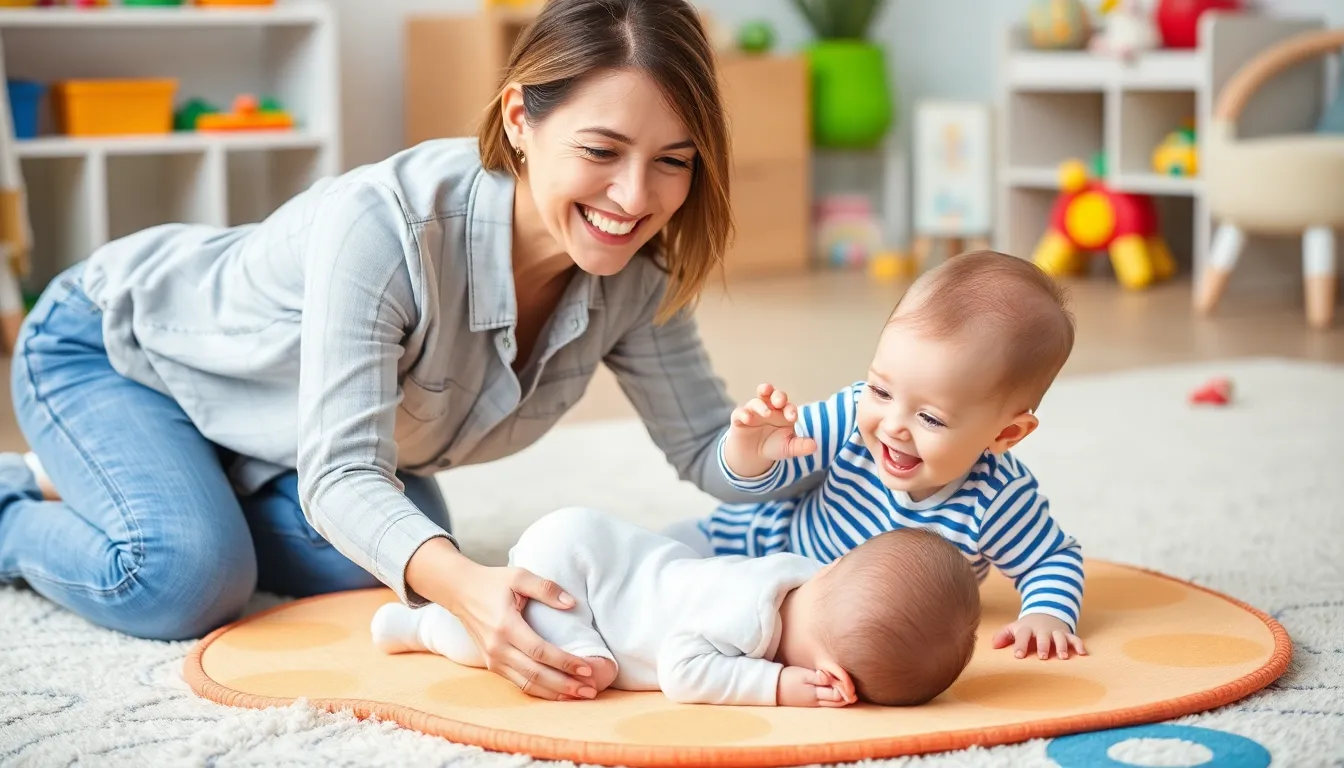
Tracking key developmental stages offers parents insights into their child’s growth. Milestones serve as indicators of typical progress in various areas, including physical, cognitive, and social-emotional development.
Physical Milestones
Physical milestones include skills like rolling over, sitting independently, and walking. Babies usually roll over around 4 to 6 months. By 6 to 10 months, many start sitting unassisted. Most children walk between 9 and 15 months. Observing these physical achievements helps gauge strength and coordination.
Cognitive Milestones
Cognitive milestones encompass problem-solving abilities, memory, and understanding language. By 3 months, babies typically respond to visual stimuli and recognize faces. At 6 months, they often explore objects through grasping. First words generally emerge at about 12 months, while toddlers start combining words by 2 years. Recognizing these cognitive skills assists in fostering engaging learning experiences.
Social and Emotional Milestones
Social and emotional milestones highlight a child’s ability to interact and form relationships. At around 2 months, infants respond with smiles and can enjoy social engagement. By 6 months, many show attachment to caregivers. Tantrums and a desire for independence become common around age 2. Identifying these milestones aids in nurturing healthy emotional growth and communication skills.
Common Concerns and Delays
Tracking baby milestones raises common concerns among parents. Recognizing potential developmental delays early can significantly influence the support a child receives.
Signs of Developmental Delays
Missed milestones may indicate developmental delays. Lack of rolling over by six months can prompt parents to observe closely. By eight months, if a baby isn’t sitting independently, further evaluation might be necessary. Delays in babbling or forming words by twelve months require attention. If social interactions remain limited, such as not responding to names by twelve months, parents should consider consulting a professional. Noticing these signs early can result in more effective interventions.
When to Seek Professional Help
Seeking professional help can be crucial for addressing developmental concerns. If a child exhibits multiple signs of delays across physical, cognitive, and social-emotional domains, contacting a pediatrician becomes essential. Professionals can offer assessments and resources that align with a child’s unique needs. Early intervention programs often provide support that enhances developmental outcomes. Parents should trust their instincts; if they feel something isn’t right, it’s beneficial to reach out for guidance. Most importantly, timely action can foster positive growth trajectories.
Tips for Supporting Development
Supporting a baby’s development involves intentional actions that nurture growth. Regular engagement in stimulating activities enhances their skills and fosters connections.
Engaging Activities for Babies
Provide a variety of engaging activities to encourage sensory exploration. Playtime on colorful mats promotes physical movement. Singing simple songs during daily routines helps boost language skills. Introducing books with bright pictures can capture attention and encourage curiosity. Games like peek-a-boo develop social-emotional connections and laughter. Use safe objects to encourage grasping and movement, fostering coordination. Engaging in these types of activities supports overall developmental progress.
Creating a Nurturing Environment
Create a nurturing environment that promotes exploration and safety. Utilize soft surfaces to cushion falls and support active play. Arrange toys within reach, encouraging independent exploration. Incorporate mirrors to boost self-recognition and visual stimulation. Minimize distractions to enhance focus during playtime. Establish a consistent routine, providing comfort and predictability. A calm, caring atmosphere enhances a child’s emotional security and supports developmental milestones.
Tracking baby milestones is an essential part of nurturing a child’s development. Each achievement marks a significant step in their growth journey. By celebrating these milestones parents and caregivers can foster a deeper bond and create a supportive environment.
Recognizing potential delays early on allows for timely intervention and ensures children receive the necessary support. Engaging in enriching activities further enhances development and encourages exploration.
As babies grow into their unique selves it’s important to embrace the joy and challenges that come with each new skill. This journey not only shapes the child’s future but also creates lasting memories for families.

