

Navigating the world of higher education can feel like stepping into a maze blindfolded, especially for first-generation college students. These trailblazers are the first in their families to conquer the academic mountain known as college. They don’t just break the mold; they shatter it, proving that determination and grit can pave the way for success.
Understanding First Gen College Student Meaning
First-generation college students represent a significant and inspiring demographic in higher education. They face unique challenges that stem from their status as the first in their families to pursue a college degree.
Definition of First Gen College Students
First-generation college students refer to individuals whose parents did not complete a four-year college or university degree. Many of these students come from a variety of backgrounds, including diverse ethnicities and socioeconomic statuses. This group often seeks higher education to improve their family’s future, acquiring skills that may not have been available to their parents. Some statistics reveal that over 50% of college students in the U.S. identify as first-gen. These students play a vital role in increasing educational attainment within their families and communities.
Importance of the Term
The term “first-generation college student” emphasizes the vital role of education in breaking generational cycles. Understanding this term allows educators and policymakers to create targeted support systems tailored to their needs. Challenges faced by first-gen students include financial constraints, limited access to resources, and a lack of familial guidance. Additionally, recognizing their contributions to academic diversity enriches campus culture, fostering an inclusive learning environment. This acknowledgment is crucial, as it helps propel societal changes that uplift entire communities.
Challenges Faced by First Gen College Students
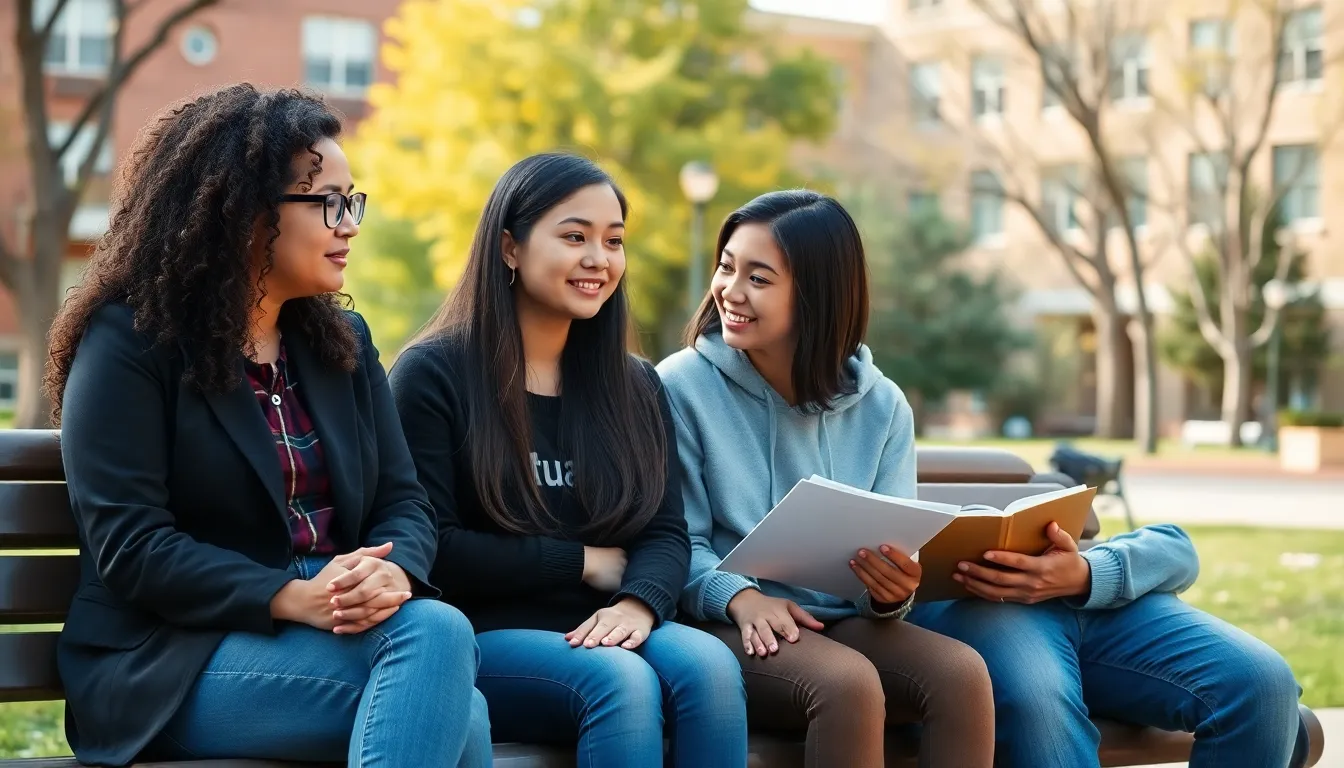
First-generation college students encounter distinctive obstacles in their pursuit of academic success. These challenges significantly impact their educational journey.
Financial Barriers
Financial constraints represent a primary hurdle for first-gen college students. Many lack the financial support that comes from parents who attended college. Tuition, textbooks, and living expenses create a substantial burden. A significant percentage of first-gen students rely on financial aid, which sometimes proves insufficient. Research indicates that over 60% of first-gen students face difficulties in covering education-related costs. Limited information about scholarships and loans exacerbates these challenges. Navigating financial systems can be overwhelming, making it harder to focus on academics.
Social and Emotional Issues
Social and emotional issues also affect first-gen college students. Many experience feelings of isolation on campus due to a lack of familiarity with college culture. Pressure to succeed often leads to anxiety and stress, impacting mental health. Studies reveal that first-gen students report higher levels of stress compared to their peers. Difficulty in finding supportive networks adds to their emotional burden. Building connections with faculty and peers can be challenging without guidance. Ultimately, these students must balance their academic ambitions with the emotional toll of their unique experiences.
Support Systems for First Gen College Students
Support systems play a crucial role in the success of first-generation college students. Identifying and utilizing these resources can significantly enhance their educational experiences.
Family Support
Family support often serves as a foundational element for first-gen students. Many rely on family encouragement to navigate the challenges of higher education. Emotional support from family members fosters resilience when facing academic pressures. Frequent communication helps students feel connected, even when attending college away from home. Some families share their experiences, providing valuable advice regarding academic struggles. Engagement in the college journey, like attending events, strengthens these bonds while boosting students’ confidence. Family involvement contributes positively to a student’s motivation and determination to succeed.
Institutional Resources
Institutions offer numerous resources tailored to assist first-gen students. Many colleges provide mentoring programs that connect students with faculty or upperclassmen. Workshops focusing on financial literacy help navigate budgeting and managing expenses. Support services, including counseling and academic advising, address both emotional and academic needs. Programs specifically for first-generation students often create a community, reducing feelings of isolation. By accessing these resources, students gain critical skills and support essential for their success. These initiatives promote an inclusive environment that recognizes and addresses the unique challenges faced by first-gen students.
Benefits of Being a First Gen College Student
First-generation college students experience significant benefits that positively impact their academic journeys. Their unique backgrounds foster diverse perspectives that enrich campus communities.
Unique Perspectives and Resilience
Unique perspectives arise from navigating complex environments. These students often exhibit resilience due to the challenges they’ve faced. Adapting to higher education’s demands shapes their problem-solving skills. First-gen students understand the value of hard work and perseverance, which enhances their academic performance. Engaging in discussions enables them to share insights from their families and backgrounds, promoting inclusivity. Their experiences advance social awareness among peers, creating enriched learning opportunities.
Opportunities for Personal Growth
Opportunities for personal growth abound for first-gen students. Overcoming obstacles builds self-confidence and independence. Many students develop essential skills, such as time management and effective communication, as they balance academic and personal responsibilities. Seeking resources encourages them to become proactive learners, enhancing their ability to navigate future challenges. Relationships formed with mentors and peers provide guidance, facilitating personal and professional growth. Charting their educational paths contributes to a sense of fulfillment and empowerment within their families and communities.
First-generation college students embody resilience and determination as they navigate the complexities of higher education. Their unique experiences not only enrich campus communities but also pave the way for future generations. Addressing the challenges they face is essential for fostering an inclusive environment that supports their academic and personal growth. By recognizing their contributions and implementing targeted support systems, educational institutions can empower these students to thrive. Ultimately, the journey of first-gen students highlights the transformative power of education in breaking barriers and building brighter futures for themselves and their families.

