

Imagine a world where your baby coos in delight instead of crying, where bonding time doubles as a mini spa session. Enter infant massage, the gentle art that not only soothes little ones but also turns parents into certified cuddle experts. It’s like yoga for babies—minus the awkward poses and stretchy pants.
What Is Infant Massage?
Infant massage involves gentle strokes on a baby’s body, enhancing comfort and security. This practice promotes relaxation and supports physical and emotional development. Therapists and caregivers typically perform it, utilizing calm techniques to create a soothing atmosphere.
The benefits of infant massage are well-documented. Studies show it can improve sleep patterns and reduce crying, contributing to overall well-being. Moreover, it fosters deeper connections between parents and children, enhancing the bond through tactile communication.
Practicing infant massage during specific times can maximize its effectiveness. Engaging in this activity after bath time or during quiet moments encourages relaxation. Consistency also plays an essential role. Regular sessions can lead to a routine that infants adapt to and enjoy.
Safety is crucial within this practice. Ensuring a warm, comfortable environment supports both relaxation and engagement. Parents should focus on their baby’s cues, adjusting pressure and movements accordingly. Gentle touches contribute to a positive experience, as each interaction builds trust.
Research suggests that the emotional benefits of infant massage extend beyond the individual. Parents experience reduced stress and anxiety levels, leading to an improved parenting experience. The connection formed during these sessions enhances mutual trust, contributing positively to family dynamics.
Benefits of Infant Massage
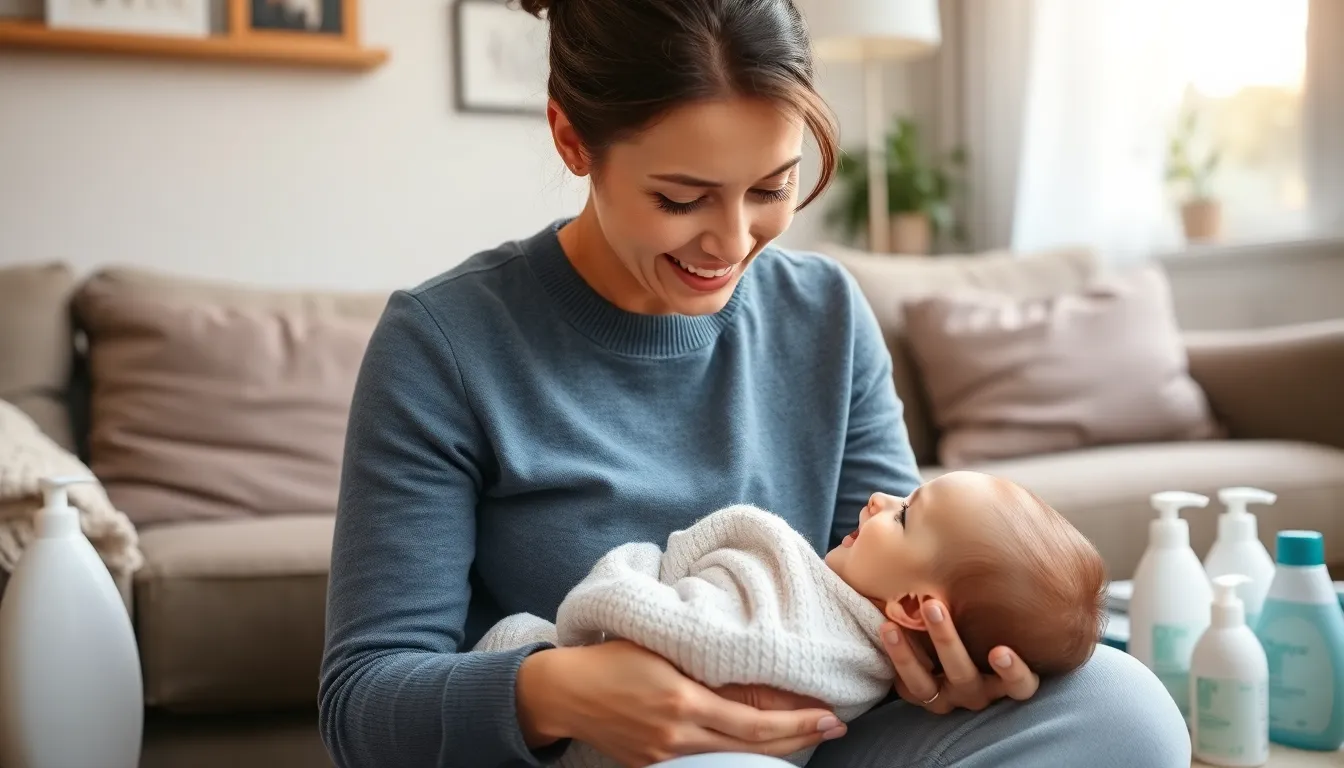
Infant massage offers numerous advantages for babies and parents alike, fostering physical and emotional growth.
Physical Benefits
Enhanced circulation improves a baby’s overall health. Gentle strokes stimulate digestive systems, alleviating colic and gas discomfort. Increased flexibility and coordination emerge through tactile interaction, contributing to motor skill development. Many babies experience improved sleep patterns as a result of relaxation during massage sessions. Healthier skin may result from the moisturizing effects of the massage oils used, providing nourishment and soothing irritations. Parents also observe a noticeable decrease in crying, as the calming effects of massage promote a sense of security.
Emotional Benefits
Strengthened bonds develop between parents and infants during massage, enhancing attachment and trust. Babies benefit from increased body awareness, impacting their emotional well-being positively. Reduced stress levels in both infants and parents contribute to a soothing atmosphere, promoting peace during interactions. Improved communication flourishes through touch, enabling parents to better respond to their babies’ needs. Many caregivers report heightened feelings of competence and confidence as they engage in this nurturing practice, fostering positive family dynamics.
Techniques for Infant Massage
Infant massage techniques focus on creating a soothing experience for both baby and caregiver. Proper preparation and specific techniques enhance the benefits of this nurturing practice.
Preparation for Massage
Creating an ideal environment plays a vital role in the success of infant massage. Ensure the room is warm, quiet, and free from distractions. Gather necessary supplies, like soft towels and massage oil suitable for sensitive skin. Use a gentle oil, like almond or coconut, to protect the baby’s delicate skin. Parents should check for allergies before applying any products. Establish a soothing atmosphere by dimming lights and playing soft music. Always respond to the baby’s cues throughout the process to maintain comfort and trust.
Different Massage Techniques
Various techniques exist to enhance the infant massage experience. Gentle strokes on the arms and legs promote relaxation. Use circular motions on the baby’s tummy to aid digestion. Applying light pressure along the spine encourages overall comfort. Parents can also gently knead the feet, stimulating circulation. Incorporating rhythmic movements, such as rocking or swaying, adds a calming effect. Adjusting pressure according to the baby’s comfort level is important for an effective session. Understanding these techniques leads to a deeper connection and improved well-being for both the caregiver and the infant.
Safety Considerations
Creating a safe environment for infant massage is essential for both the baby and the caregiver. Ensure the room temperature is comfortable, as infants may become chilly during the process. Soft lighting and minimal noise contribute to a calming atmosphere, supporting relaxation.
Observation of the baby’s cues plays a crucial role in this practice. Babies may signal discomfort or disinterest by turning their heads away or stiffening their bodies. Heeding these signals prevents negative experiences and fosters a positive interaction. Additionally, caregivers should wash their hands before engaging in massage to maintain hygiene.
Selecting the right oils is important for skin safety. Use gentle, hypoallergenic oils to avoid potential allergic reactions. Testing a small amount on the baby’s skin beforehand minimizes the risk of irritation. Consulting with a pediatrician may provide guidance on suitable products, especially for infants with sensitive skin.
Understanding when to avoid massage is equally vital. If a baby is unwell or had recent surgery, skipping the massage ensures their comfort. Caregivers should also refrain from massaging over bruises or inflamed areas, which could cause pain or further injury.
Timing the session can enhance safety and effectiveness. Choosing moments when the baby is awake and calm maximizes the benefits of massage. Adapting techniques or pressure according to the baby’s responsiveness supports a healing experience. Ultimately, prioritizing safety considerations sets the foundation for a rewarding infant massage routine.
Infant massage offers a unique opportunity for parents and caregivers to nurture their babies while fostering a strong emotional bond. This gentle practice not only enhances physical well-being but also promotes relaxation and comfort for both parties. By incorporating consistent routines and responding to the baby’s cues, caregivers can create a safe and soothing environment that supports healthy development.
The emotional benefits extend beyond the infant as parents experience reduced stress and increased confidence. Ultimately, infant massage cultivates a harmonious family dynamic through the power of touch and connection. Embracing this practice can lead to lasting positive effects on both the baby’s growth and the caregiver’s well-being.

