

Navigating the world of breast pumps can feel like trying to solve a Rubik’s Cube blindfolded. With so many options and tips out there, new moms might wonder if they need a PhD just to figure it all out. But fear not! With the right guidance, pumping can become a breeze—or at least a light gust of wind.
Essential Breast Pump Tips
Breast pumping can seem daunting, yet it becomes more straightforward with a few essential tips. Understanding the right tools and techniques makes the experience effective and comfortable.
Choosing the Right Pump
Selecting the right pump greatly impacts pumping success. Electric pumps offer efficiency and speed, making them ideal for frequent use. Manual pumps provide portability and affordability, suitable for occasional pumping. Assessing personal needs, such as frequency, duration, and lifestyle, helps determine the best choice. Research various brands and models, noting features like suction strength and ease of cleaning. Reading reviews from other users provides valuable insights. Consulting a healthcare provider can also guide moms towards the most suitable option for them.
Understanding Pumping Techniques
Mastering proper pumping techniques enhances milk expression. Starting with hygienic practices is crucial; wash hands thoroughly before handling any equipment. Positioning the pump correctly ensures optimal milk flow. Placing the breast shield over the nipple comfortably allows for effective suction. Using a gentle pumping rhythm mimics a baby’s feeding pattern, promoting better milk extraction. Alternate between breasts to prevent discomfort and maintain balanced production. Listening to the body is important; stopping if experiencing pain or discomfort can prevent further issues. Effective techniques pave the way for a successful pumping experience.
Preparing for Breast Pumping
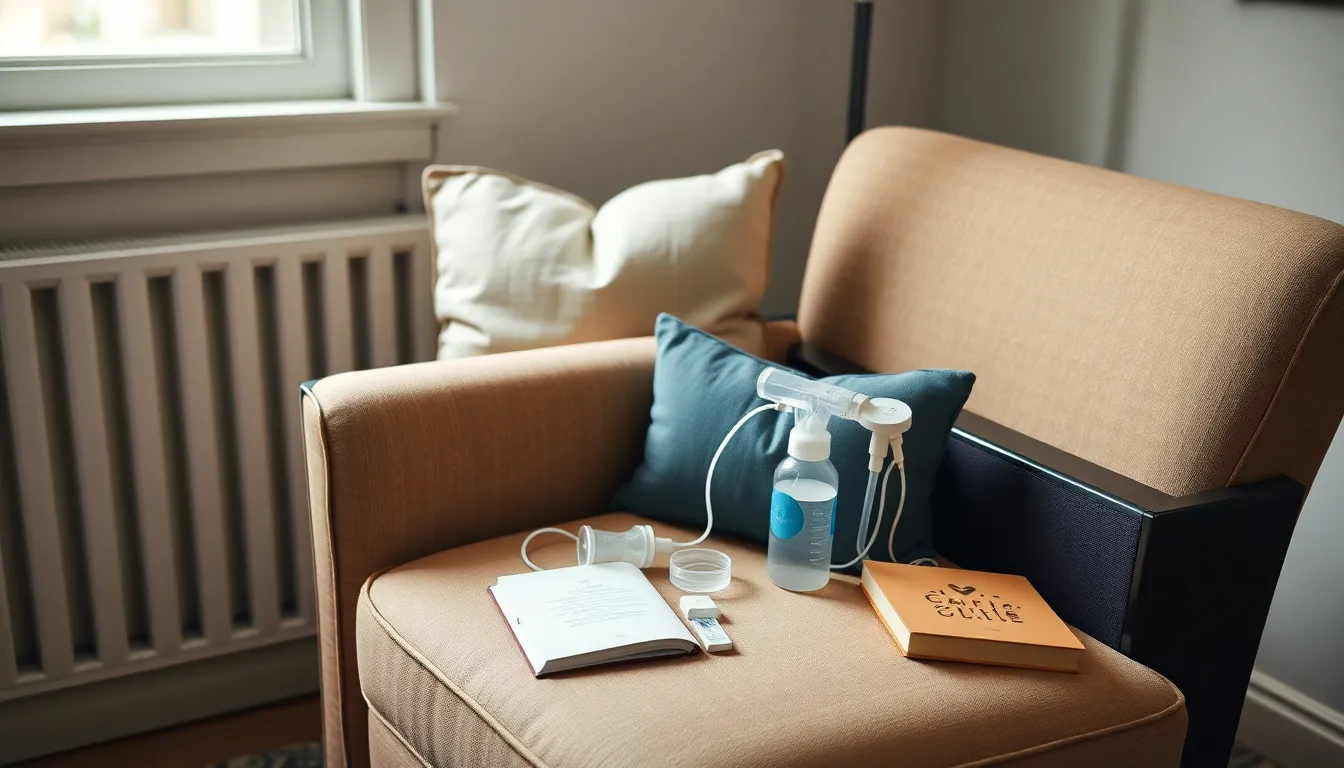
Successfully preparing for breast pumping enhances the overall experience. Focus on creating an environment that promotes comfort and efficiency.
Setting Up Your Space
Select a quiet area for pumping. This helps minimize distractions. Ensure the space has adequate lighting to easily see the pump. Arrange a comfortable seat with proper back support. Keep a water bottle nearby to stay hydrated during the process. Consider including items that help you relax, such as a favorite book or soft music. A clean surface for your pump and supplies is essential to maintain hygiene and organization.
Gathering Necessary Supplies
Collect all necessary items before starting. Gather your breast pump, including all parts, and ensure they’re clean. Prepare storage bags or bottles for milk collection. Include a small cooler or insulated bag to keep milk fresh if you’ll be out. Don’t forget nursing pads to manage potential leaks during pumping. Having a notebook or app available for tracking pumping sessions can also be beneficial. Lastly, keep a phone or device handy for reading or listening during the session.
Maximizing Milk Production
Maximizing milk production involves careful planning and awareness. Effective strategies yield better results.
Timing Your Pump Sessions
Timing plays a crucial role in milk production. Target specific times when the body naturally produces more milk, typically in the early morning. Pumping after breastfeeding can stimulate further production by signaling the body to produce more. Scheduling sessions every two to three hours maintains an optimal flow. Avoid long durations between sessions to prevent a decrease in supply. Track pumping times and durations to identify patterns and make adjustments as needed.
Hydration and Nutrition
Staying hydrated influences milk supply significantly. Consuming adequate fluids, such as water and herbal teas, helps keep the body in optimal condition. Nutrition also impacts production quality. Eating a balanced diet rich in whole grains, lean proteins, and healthy fats supports overall health. Incorporate foods like oats, almonds, and dark leafy greens to enhance lactation. Prioritizing snacks during the day ensures energy levels remain high while pumping. Remember, both hydration and nutrition contribute to an abundant milk supply.
Cleaning and Maintaining Your Pump
Cleaning and maintaining a breast pump ensures optimal performance and hygiene. Following specific routines promotes efficiency and longevity.
Daily Cleaning Routine
A daily cleaning routine is vital for pump safety. Rinse all pump parts with warm water immediately after use to prevent milk residue. Use a mild soap and a bottle brush to clean the components thoroughly. After washing, rinse each part under running water to remove soap traces. Allow the parts to air dry completely on a clean towel or drying rack. Furthermore, sterilizing pump parts daily using boiling water or a steam sterilizer enhances hygiene. Whole equipment should be assembled only when completely dry to avoid contamination.
Long-Term Care Tips
Long-term care extends the lifespan of the pump. Store the breast pump in a cool, dry place away from direct sunlight and moisture. Avoid exposing the pump to extreme temperatures, which can damage components. Regularly check for signs of wear on tubing and other parts, replacing them as necessary. Maintaining the manufacturer’s recommendations for servicing the pump supports its efficiency. Finally, keep the user manual handy for troubleshooting and upkeep guidance to ensure optimal functionality.
Navigating the world of breast pumping doesn’t have to be overwhelming. With the right approach and preparation, new moms can turn this essential task into a more manageable part of their routine. By selecting the appropriate pump and employing effective techniques, they can enhance their pumping experience.
Creating a comfortable environment and maintaining proper hygiene will not only boost milk production but also make each session more enjoyable. Staying hydrated and nourishing the body with healthy foods plays a key role in sustaining energy levels.
Ultimately, understanding one’s own needs and preferences can lead to a successful and confident pumping journey.

